

06 Jun Snoring vs. Sleep Apnea: How to Know the Difference
 Snoring can be harmless, or it can signal a more serious condition. Understanding snoring vs. sleep apnea helps you recognize when to seek care and protect your long-term health. While many people snore occasionally, not all snoring points to a medical issue. The key lies in identifying patterns and accompanying symptoms.
 Most people think of sleep apnea as a snoring problem. In reality, it's a cardiovascular threat that operates quietly every night while you sleep. If you or someone you love has been diagnosed with sleep apnea or suspects they might have it, understanding the connection between sleep apnea and heart disease, as well as sleep apnea treatment in San Antonio, TX, could be one of the most important things you do for your long-term health.
 Do you wake up exhausted even after a full night's rest? You might be one of the millions of Americans living with undiagnosed sleep apnea. The good news is that getting a sleep study in San Antonio, TX is easier than ever, and it could completely change your quality of life. Here are seven signs it might be time to talk to a professional.
 Many people struggling with stubborn weight gain are surprised to learn there may be a deeper cause behind the scale creeping up. Research increasingly points to a strong connection between sleep apnea and weight gain, creating a frustrating cycle that can be difficult to break without proper treatment.
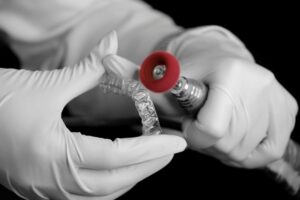 If you’ve been diagnosed with sleep apnea and chosen an oral appliance to improve your nightly breathing, you’ve taken an important step toward better rest and overall health. But like any medical device, consistency and proper maintenance are key to keeping it effective. Understanding the essentials of caring for a sleep apnea oral appliance will help you protect your investment and ensure reliable, long-term results.
 For commercial truck drivers, maintaining alertness and focus on the road isn’t just important; it’s a matter of safety. Unfortunately, sleep apnea and commercial drivers often go hand in hand, as long hours behind the wheel and irregular sleep schedules can increase the risk of this common sleep disorder.
  Using an oral appliance, especially mandibular advancement devices, has become a popular alternative to CPAP for many patients with mild to moderate sleep apnea.
  For people who manage sleep apnea or snoring with a mandibular advancement device (MAD), travel doesn’t have to disrupt treatment. Traveling with an oral appliance is simpler than bringing bulky CPAP machines, but it still requires preparation.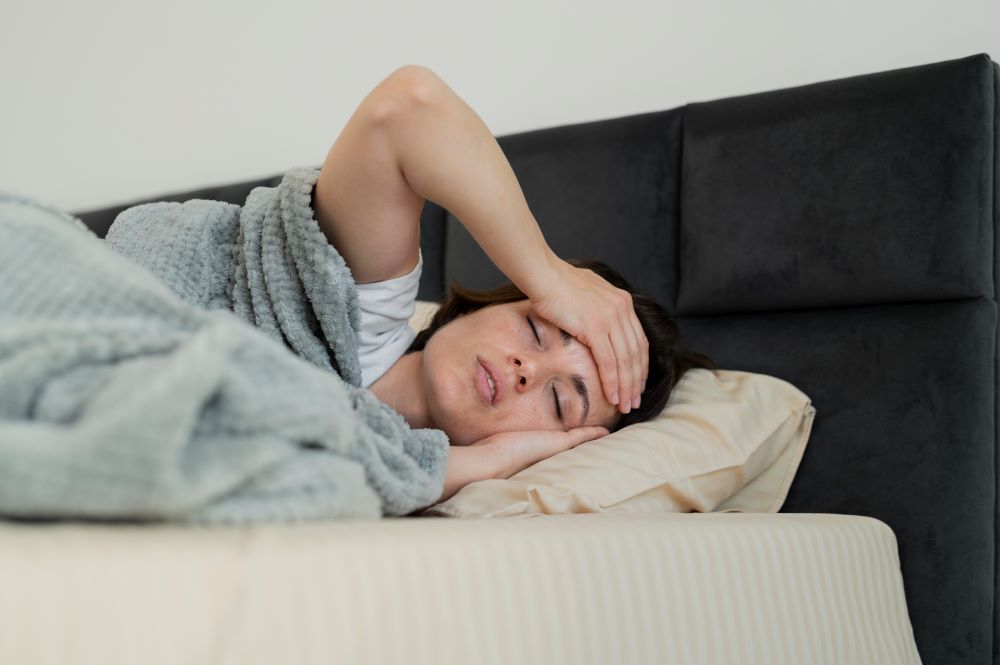
 Waking up feeling groggy, foggy, or completely unrested can be frustrating, especially if you went to bed on time and think you got enough sleep.