

13 Oct What to Expect: Getting Fitted for a Custom Sleep Apnea Mouthpiece
Posted at 14:38h
in CPAP Alternative, Obstructive Sleep Apnea, Oral appliance therapy, Sleep Apnea Treatment
 For people with obstructive sleep apnea who want an alternative to traditional CPAP therapy, a custom sleep apnea oral appliance can provide a comfortable, convenient option. This type of device fits your mouth precisely and helps keep the airway open during sleep. Understanding the fitting process can make your first appointment feel more straightforward.
 Most people associate sleep apnea with loud, disruptive snoring, but the condition often shows up in quieter, easy-to-dismiss ways. Recognizing the full range of sleep apnea symptoms can help you catch the problem early and get proper treatment before it affects your long-term health.
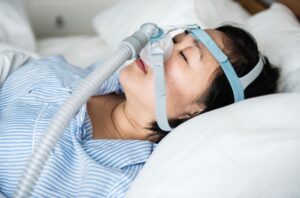 If you're comparing options for sleep apnea treatment in San Antonio, cost is only part of the equation. Comfort, long-term maintenance, and treatment success also affect the overall value of your care. While CPAP machines have long been the standard treatment for obstructive sleep apnea, many patients are now exploring oral appliances as one of the most effective CPAP alternatives. Understanding the financial differences can help you choose the solution that fits both your health needs and your budget.
 Many people diagnosed with mild to moderate sleep apnea struggle with continuous positive airway pressure (CPAP) machines. While CPAP therapy remains an effective treatment, some patients find the equipment uncomfortable, noisy, or difficult to use consistently. Fortunately, oral appliance therapy in San Antonio offers an alternative that can help many individuals manage sleep apnea and improve their quality of sleep.
 Snoring can be harmless, or it can signal a more serious condition. Understanding snoring vs. sleep apnea helps you recognize when to seek care and protect your long-term health. While many people snore occasionally, not all snoring points to a medical issue. The key lies in identifying patterns and accompanying symptoms.
 Most people think of sleep apnea as a snoring problem. In reality, it's a cardiovascular threat that operates quietly every night while you sleep. If you or someone you love has been diagnosed with sleep apnea or suspects they might have it, understanding the connection between sleep apnea and heart disease, as well as sleep apnea treatment in San Antonio, TX, could be one of the most important things you do for your long-term health.
 Do you wake up exhausted even after a full night's rest? You might be one of the millions of Americans living with undiagnosed sleep apnea. The good news is that getting a sleep study in San Antonio, TX is easier than ever, and it could completely change your quality of life. Here are seven signs it might be time to talk to a professional.
 Many people struggling with stubborn weight gain are surprised to learn there may be a deeper cause behind the scale creeping up. Research increasingly points to a strong connection between sleep apnea and weight gain, creating a frustrating cycle that can be difficult to break without proper treatment.
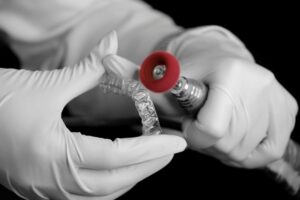 If you’ve been diagnosed with sleep apnea and chosen an oral appliance to improve your nightly breathing, you’ve taken an important step toward better rest and overall health. But like any medical device, consistency and proper maintenance are key to keeping it effective. Understanding the essentials of caring for a sleep apnea oral appliance will help you protect your investment and ensure reliable, long-term results.