

06 Jan Long-Term Success with Your Oral Appliance: A Patient’s Guide to Care and Maintenance
[vc_row css_animation="" row_type="row" use_row_as_full_screen_section="no" type="full_width" angled_section="no" text_align="left" background_image_as_pattern="without_pattern"][vc_column][vc_column_text css=""]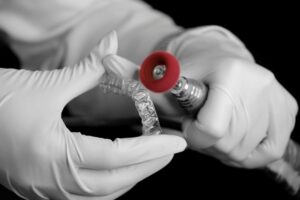 If you’ve been diagnosed with sleep apnea and chosen an oral appliance to improve your nightly breathing, you’ve taken an important step toward better rest and overall health. But like any medical device, consistency and proper maintenance are key to keeping it effective. Understanding the essentials of caring for a sleep apnea oral appliance will help you protect your investment and ensure reliable, long-term results.
 For commercial truck drivers, maintaining alertness and focus on the road isn’t just important; it’s a matter of safety. Unfortunately, sleep apnea and commercial drivers often go hand in hand, as long hours behind the wheel and irregular sleep schedules can increase the risk of this common sleep disorder.
  Using an oral appliance, especially mandibular advancement devices, has become a popular alternative to CPAP for many patients with mild to moderate sleep apnea.
  For people who manage sleep apnea or snoring with a mandibular advancement device (MAD), travel doesn’t have to disrupt treatment. Traveling with an oral appliance is simpler than bringing bulky CPAP machines, but it still requires preparation.